Serving Corsicana, TX and surrounding areas. (430) 775-4881
Sticking doors, sloping floors, and wall cracks are telling you something. In Corsicana, clay soil is usually the reason - and foundation raising puts your slab back where it belongs.
Foundation raising in Corsicana lifts a sunken or uneven concrete slab back to its original level by pumping material beneath it through small drilled holes, filling the void and pushing the concrete up - most residential jobs are completed in a single day.
When your foundation drops, it is almost always because the soil underneath has shifted or pulled away. In Corsicana, that means Blackland Prairie clay - a soil type that swells when wet and shrinks when dry, creating voids beneath slabs over time. The result shows up in your home as sticking doors, uneven floors, and cracks along walls. Those are not cosmetic problems. They are your house telling you the ground beneath it has moved. Foundation raising addresses that movement directly by restoring the soil support that the slab lost. For homes in Corsicana built on pier-and-beam construction rather than a poured slab, the process differs - instead of injecting material beneath concrete, the contractor adjusts or replaces the piers and beams beneath the floor structure. Either way, the goal is the same: a stable, level foundation. If your project involves both raising work and a full slab foundation build, we can assess both scopes at the same time.
Call us or fill out the estimate form and we will schedule a free on-site visit to measure the slab, identify the cause, and give you a written quote before any work begins.
When your foundation drops unevenly, door frames and window frames go out of square. Doors that used to swing freely start dragging on the floor or refusing to latch. This is one of the most common early signs Corsicana homeowners notice - especially after a dry summer when the clay soil has pulled away beneath the slab.
Diagonal cracks at the corners of doors and windows, or stair-step cracks in brick veneer on the outside of the house, are a classic sign of foundation movement. In Corsicana clay, these cracks often appear or worsen after a prolonged dry spell followed by heavy rain. Cracks that are growing or spreading deserve a professional look.
If baseboards are pulling away from the wall, or if you can see separation where your wall meets the floor or ceiling, the structure has moved. Gaps between the chimney and the house exterior are another telling sign. These separations happen when different parts of the foundation settle at different rates.
A floor that tilts toward one corner of the room points to differential settlement beneath the slab. In older Corsicana homes on pier-and-beam construction, this often shows up as a springy or bouncy feel underfoot as well. Either way, the floor should not feel like it is moving as you walk across it.
Every foundation raising job starts with an on-site assessment and elevation readings - not an estimate over the phone. We walk the property, measure across the slab or inspect the pier-and-beam structure, and look for the underlying cause of the movement. That diagnostic step matters because a lift that does not address the source of the problem - whether that is drainage, a plumbing leak, or seasonal soil shrinkage - will not hold as long. We provide mudjacking (traditional cement-and-soil slurry injection) and polyurethane foam injection, recommending the method that fits your soil conditions, budget, and timeline. We also handle permit coordination when the scope requires it, and we provide a written warranty on completed work. For properties that need additional structural work, we can also assess concrete cutting when sections of a slab need to be removed as part of the broader repair process.
The Texas Department of Licensing and Regulation maintains the state licensing system for contractors doing structural work in Texas. We carry the required licensing and insurance, and we can provide documentation on request before any work begins.
Best for larger areas where cost per square foot is the primary concern and a slightly longer cure window before loading the surface is acceptable.
Best for jobs where fast cure time matters, smaller drill holes are preferred, or the soil conditions benefit from a lighter-weight fill material that puts less load on the ground.
Best for older Corsicana homes built on wood pier-and-beam foundations where adjusting or replacing the support structure is the correct fix for sloping or bouncy floors.
Best for homeowners who want an honest evaluation of what is happening beneath their slab before committing to any repair approach - including an honest answer if raising is not the right solution.
Corsicana sits on some of the most active expansive clay soils in Texas, part of the Blackland Prairie belt that runs through Navarro County. This clay swells dramatically when it absorbs moisture and shrinks and cracks when it dries out. That constant movement is the single biggest reason foundations sink and shift here - and it means foundation problems in Corsicana are rarely a one-time event without proper soil management afterward. North Central Texas also regularly swings between extended dry spells and heavy rainfall. During a drought, the clay beneath your slab pulls away and leaves voids. When heavy rain follows, water rushes in unevenly. Corsicana homeowners often notice new cracking or settling after a prolonged dry summer followed by fall rains - that cycle is what drives most of the calls we receive. Homeowners in Ennis and Waxahachie face the same Blackland Prairie clay conditions and we serve both areas as well.
Corsicana also has a significant number of older homes, many built on pier-and-beam foundations rather than concrete slabs. For these homes, foundation raising involves adjusting or replacing the wooden piers and beams that support the floor structure - the approach and the signs of trouble are different from slab lifting, but the urgency is the same. A contractor who only does slab work may not be the right fit for an older pier-and-beam home, so ask specifically about experience with both construction types before you book.
Describe what you are seeing - sticking doors, visible cracks, uneven floors. We respond within 1 business day and schedule a free on-site evaluation rather than trying to diagnose the problem over the phone.
We walk the property, take elevation readings across the slab or inspect the pier-and-beam structure, and identify the cause of the movement. You receive a written estimate explaining what needs to be done and why - with no obligation to proceed.
If a permit is required for the scope of work, we handle that process. You may need to move furniture away from affected walls before the day of the lift - we will let you know exactly what to prepare.
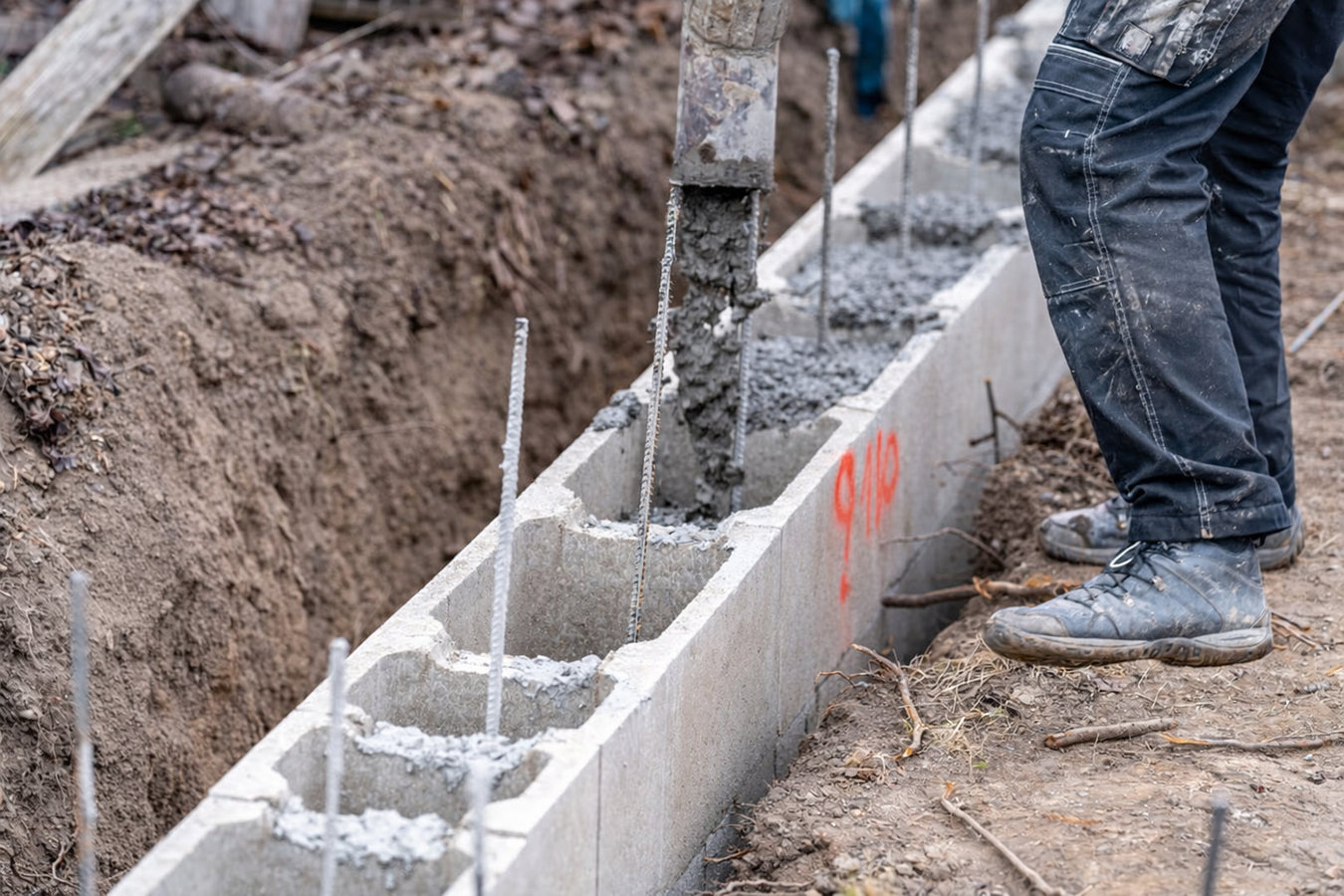
On the day of the lift, the crew drills small holes, injects the lifting material, and monitors elevation in real time as the concrete rises. When the slab reaches its target, the holes are patched, the area is cleaned up, and we walk through the results with you before we leave.
Free on-site evaluation, written estimate, no pressure. We tell you what we found and what it will cost before any work starts.
(430) 775-4881Navarro County clay behaves differently than soil in other parts of the state - it is more active, more unpredictable, and more demanding of the repair approach. We factor current soil conditions into every job, which is why we do not quote lifting work without a site visit first.
We put our warranty in writing and explain exactly what it covers - the lift itself, the materials, and the timeframe. A warranty is only as good as the company behind it, so ask any contractor you are considering how long they have been operating locally before you sign anything.
When a permit is required for structural foundation work, we pull it and coordinate the process. Permitted work creates a paper trail that can protect you at resale and with your insurer - it is worth doing right, and we handle it as a standard part of the job.
We identify the cause of the sinking - not just the symptom. The American Society of Concrete Contractors sets the professional standard for this kind of diagnostic approach. We tell you what we found, what we recommend, and why - and if raising is not the right answer for your situation, we will say so.
Together, these points mean you get a repair that is planned for how your specific soil behaves, backed by documentation, and done by a team that stands behind the work after the truck leaves.
When a section of slab is beyond lifting and needs to be removed cleanly before repairs begin, diamond-blade cutting is the right first step.
Learn MoreWhen raising is not the right answer and a new poured slab is needed, we handle the full slab foundation build from ground prep through the final pour.
Learn MoreClay soil does not take a break between seasons - the sooner we look at it, the smaller the repair. Call or get a free estimate now.